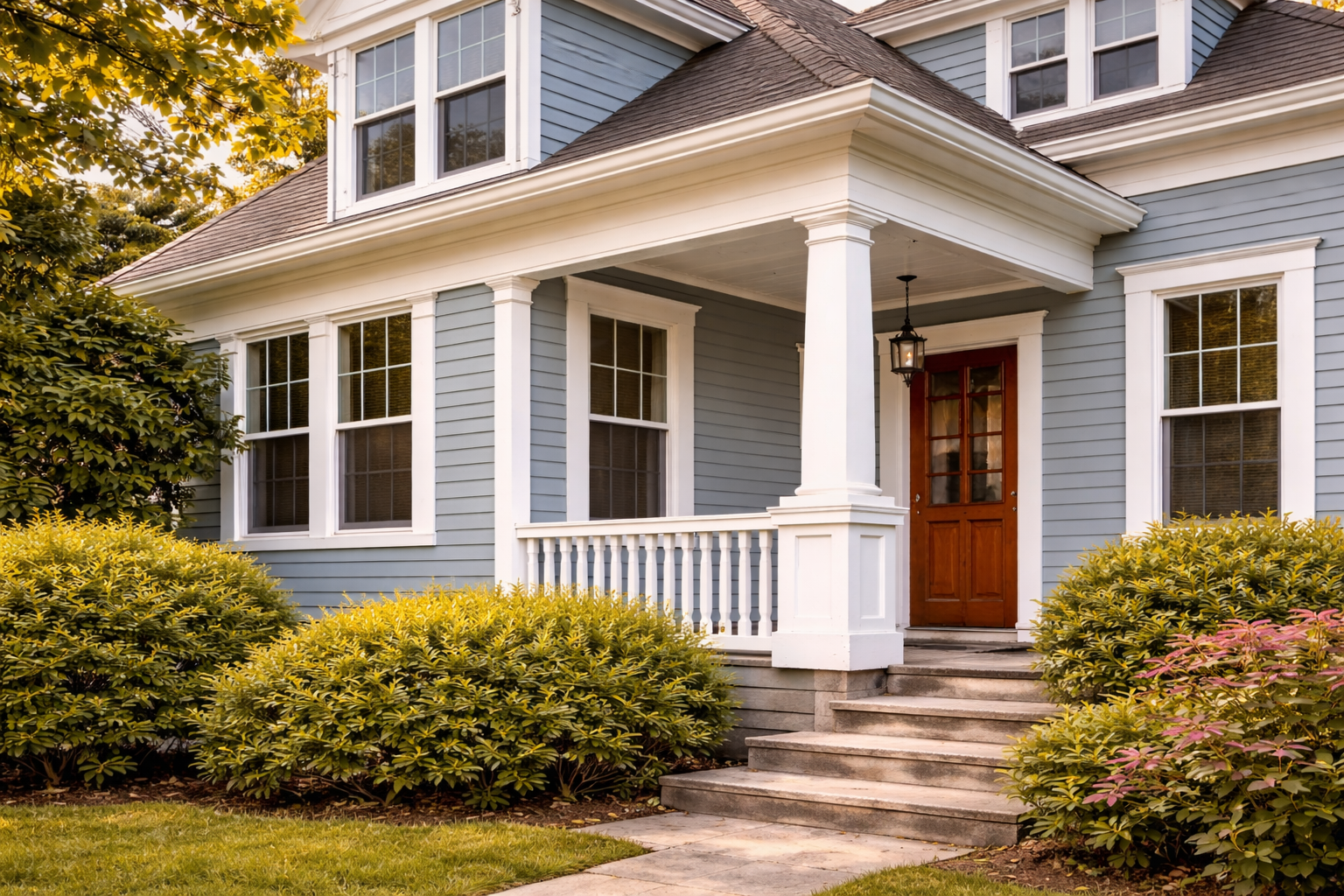
Top 7 Signs Your Home Needs a Fresh Coat of Paint (Before It’s Too Late)
Protect your investment and boost curb appeal with these expert warning signs
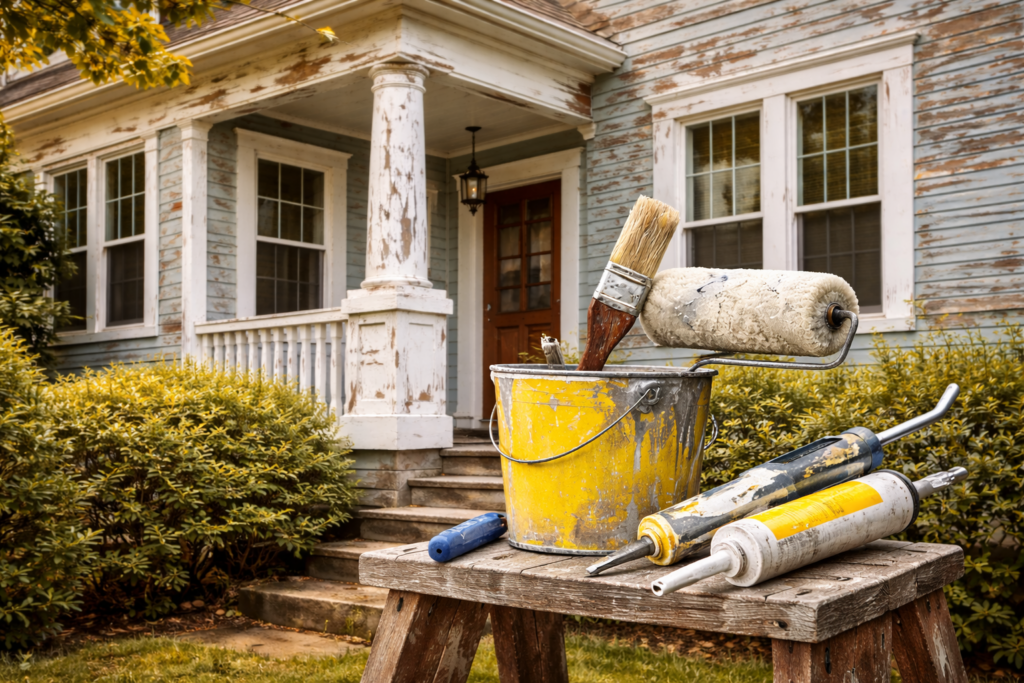
Your home’s paint does much more than enhance its appearance—it serves as a critical protective barrier against weather, moisture, UV rays, and everyday wear and tear. Over time, even the highest-quality paint begins to deteriorate, leaving your home vulnerable to damage.
The challenge is knowing exactly when to repaint. Many homeowners wait too long, which can lead to costly repairs that go far beyond a simple paint job.
Here are the top 7 signs your home needs a fresh coat of paint before it’s too late.
1. Peeling, Cracking, or Bubbling Paint
This is one of the most obvious and urgent signs. When paint begins to peel, crack, or bubble, it means it has lost its ability to adhere properly to the surface.
This often happens due to moisture intrusion, poor surface preparation, or aging paint. Once this occurs, your home is no longer protected, and the underlying materials—like wood or drywall—can begin to deteriorate quickly.
2. Fading and Discoloration
Constant exposure to sunlight causes paint to fade over time, especially on exterior surfaces. Darker colors tend to fade faster, leaving your home looking dull and uneven.
Fading is not just a cosmetic issue—it’s also a sign that the paint’s protective properties are weakening.
3. Stains, Mold, or Mildew Growth
If you notice water stains, mold, or mildew on your walls, it’s a red flag. These issues often indicate excess moisture, which can lead to structural damage if not addressed.
Repainting alone won’t solve the problem—you’ll need proper cleaning, repairs, and priming before applying new paint.
4. Chalking Residue on Surfaces
Have you ever run your hand along a painted wall and noticed a powdery residue? This is known as chalking.
It occurs when paint begins to break down due to prolonged exposure to the elements. While some level of chalking is normal over time, excessive residue means your paint is no longer doing its job.
5. Cracked or Missing Caulking
Caulking seals the joints and seams around windows, doors, and siding. When it cracks or deteriorates, it allows water to seep into your home.
This can lead to hidden damage, including rot and mold. Repainting is the perfect time to replace damaged caulking and restore your home’s protective seal.
6. Visible Surface Damage or Wood Rot
Paint acts as a shield for materials like wood siding. When that protection fails, you may start to notice rot, warping, or other types of surface damage.
If you see these issues, repainting is no longer optional—it’s essential to prevent further deterioration.
7. It’s Simply Been Too Long
Even if your home doesn’t show obvious damage, time alone can be a deciding factor.
As a general guideline:
- Exterior paint should be refreshed every 5–10 years, depending on climate and materials
- Interior paint typically lasts 3–7 years, depending on usage and traffic
Homes in areas with harsh weather conditions may require more frequent repainting.
Final Thoughts
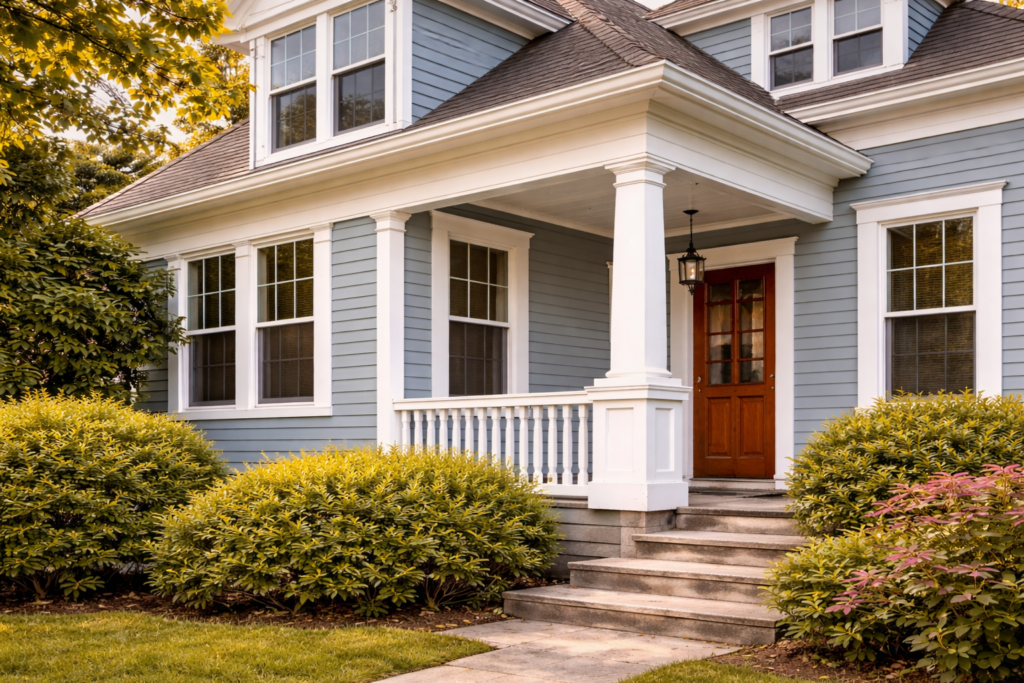
Repainting your home at the right time is one of the smartest investments you can make as a homeowner. It not only enhances curb appeal but also protects your property from long-term damage.
Ignoring early warning signs can turn a manageable project into a costly repair.
Pro Tip: A long-lasting paint job starts with proper preparation. Cleaning, repairing surfaces, and applying primer are essential steps that should never be skipped.
If you’re noticing any of these signs, it may be time to consult a professional and give your home the protection it deserves.