Lead-Based Paint: What Every Historic Homeowner Needs to Know (Before Renovating)
Did you know that if your home was built before 1978, there is a 75% chance it contains lead-based paint?
While it might look like just another layer of old, peeling paint, lead represents a silent health goldmine of risks for your family, especially children and pets. In this post, we’ll break down how to identify it, the real health risks, and why professional abatement is the only safe way forward.
1. Why Is Lead Paint So Dangerous?
Lead is a potent neurotoxin. The danger isn’t necessarily the paint sitting on the wall; the real hazard arises when that paint deteriorates or is disturbed.
- Invisible Dust: Sanding or scraping old paint releases microscopic particles that can be easily inhaled or accidentally ingested.
- Health Effects: In children, lead exposure can cause developmental delays and learning behavioral issues. In adults, it can lead to cardiovascular and kidney problems.
2. How to Identify if Your Home Has Lead
You can’t tell if paint contains lead just by looking at it, but there are some major red flags:
- “Alligatoring”: Lead-based paint often cracks in a distinct rectangular pattern that resembles reptile scales.
- Construction Date: If your property was built before the late 1970s, you should assume lead is present until proven otherwise by a professional.
- DIY Test Kits: While available at hardware stores, be cautious: these often yield false negatives if there are multiple layers of newer paint covering the lead.
3. The Most Common Mistake: The DIY Approach
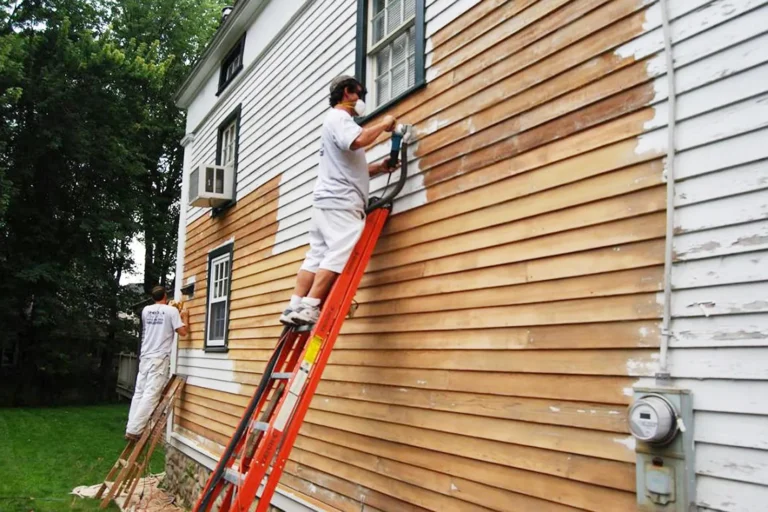
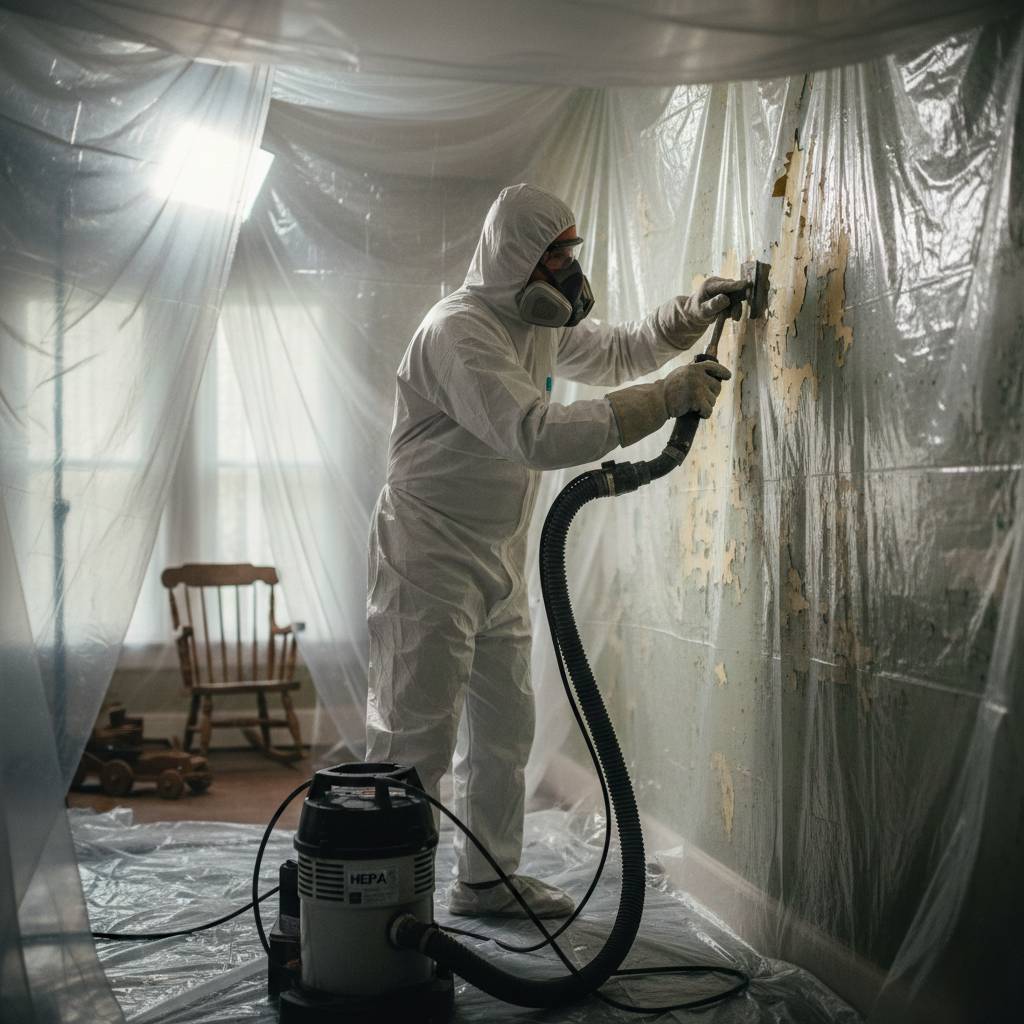
Many homeowners try to save money by removing the paint themselves. However, without specialized HEPA vacuum equipment and proper containment, you may end up spreading lead dust throughout your entire home, permanently contaminating air ducts and carpets.
Safety Note: Never use high-heat glue guns or standard power sanders on surfaces you suspect contain lead.
4. How the Professionals Do It
Hiring a professional lead removal service isn’t just about labor; it’s about a strict containment protocol:
- Total Isolation: We seal off work areas with heavy-duty plastic sheeting to prevent dust from traveling.
- Wet Prep: We use wet-scraping techniques to minimize airborne dust.
- HEPA Cleaning: We use specialized vacuums with certified filters that capture particles a standard vacuum would miss.
- Safe Disposal: We handle the disposal of toxic waste according to local and federal regulations.
Conclusion: Your Home’s Health is Priceless
Remodeling your home should be an exciting milestone, not a medical concern. Identifying and removing lead correctly is the first step toward a successful and safe renovation.
Do you live in an older home with peeling paint? Don’t take unnecessary risks. Our team is certified to handle lead removal safely and efficiently.